Pedeo installs Belgium’s first Brother mill-turn machining centre
New technical capabilities
With its first mill-turn machining centre, Pedeo gains new technical capabilities that are ideally suited to the complexity of the castings it produces. Thanks to the integrated robotic arm for automatic loading and unloading, an operator no longer needs to remain at the machine continuously. This is the approach we have chosen to address today’s manufacturing challenges.
SPECIALISTS IN HIGH-PRESSURE DIE CASTING
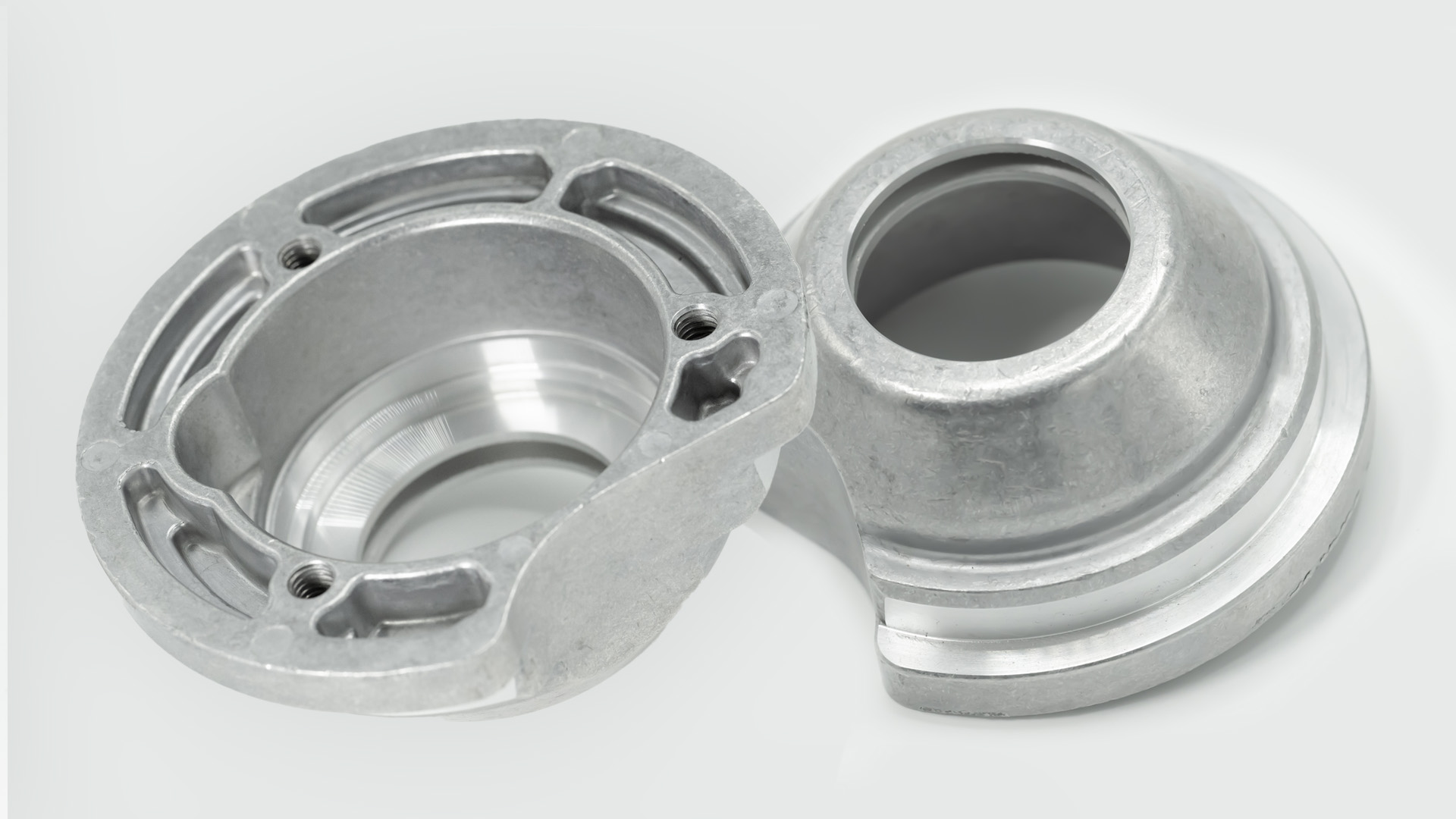
Our high-pressure die casting process is the most precise of all casting techniques. It enables the production of thin-walled components that are cast very close to their final dimensions. However, casting tolerances are sometimes not sufficiently precise to meet our customers’ requirements, making additional machining necessary. These finishing operations are carried out in our in-house CNC department.
CHALLENGES IN MACHINING
Our machining department already operated several Brother milling machines. Their technical specifications are well suited to our requirements. Thin walls are typical of die-cast components, making machining at high spindle speeds and feed rates impractical. The resulting vibrations could deform the components. An even greater challenge, perhaps, is securing the components during machining. Together, these factors create a highly specific set of requirements. Working closely with our supplier Germond, we set out to find the right solution.
OUR FIRST MULTITASKING MACHINING CENTRE
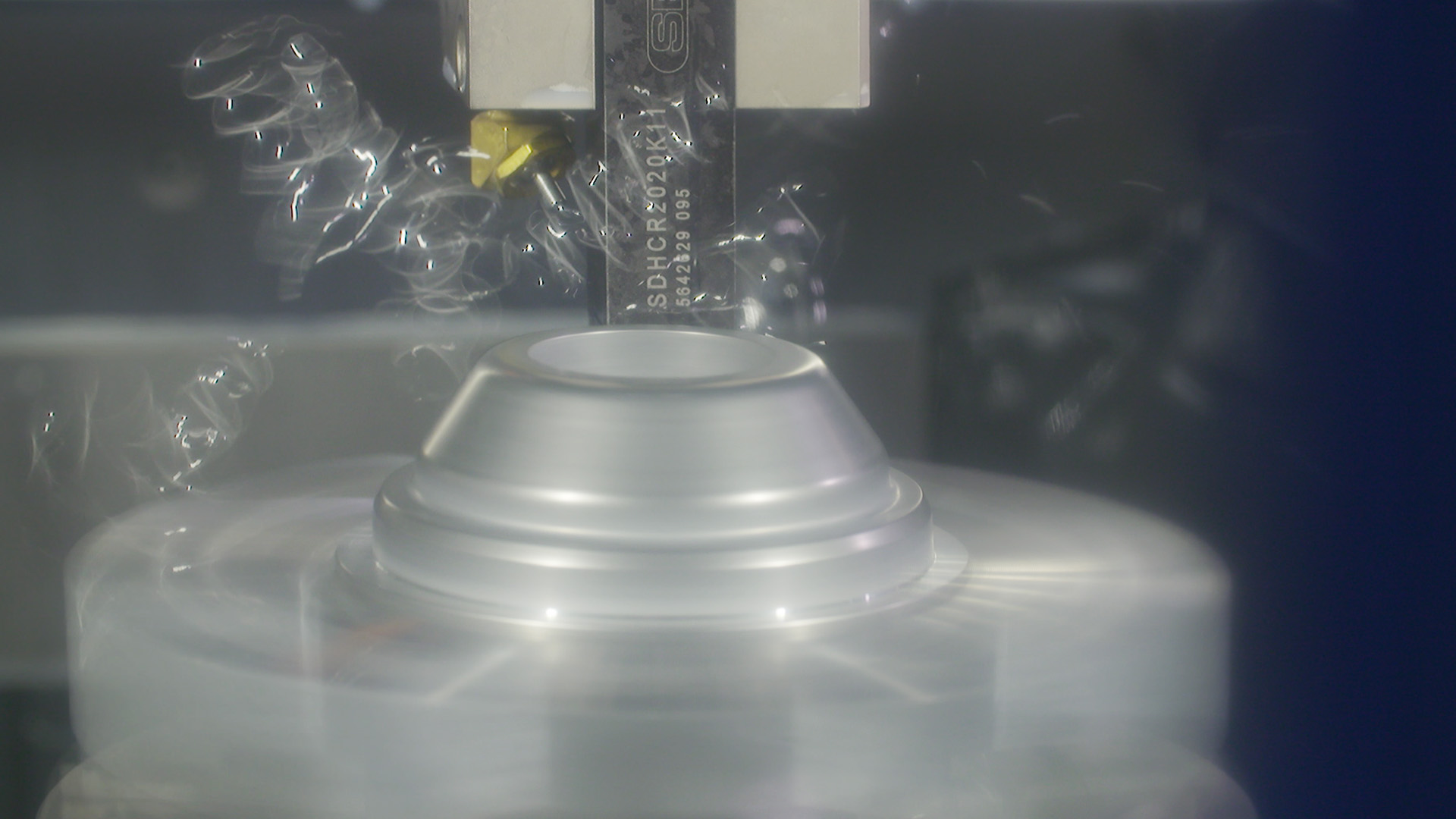
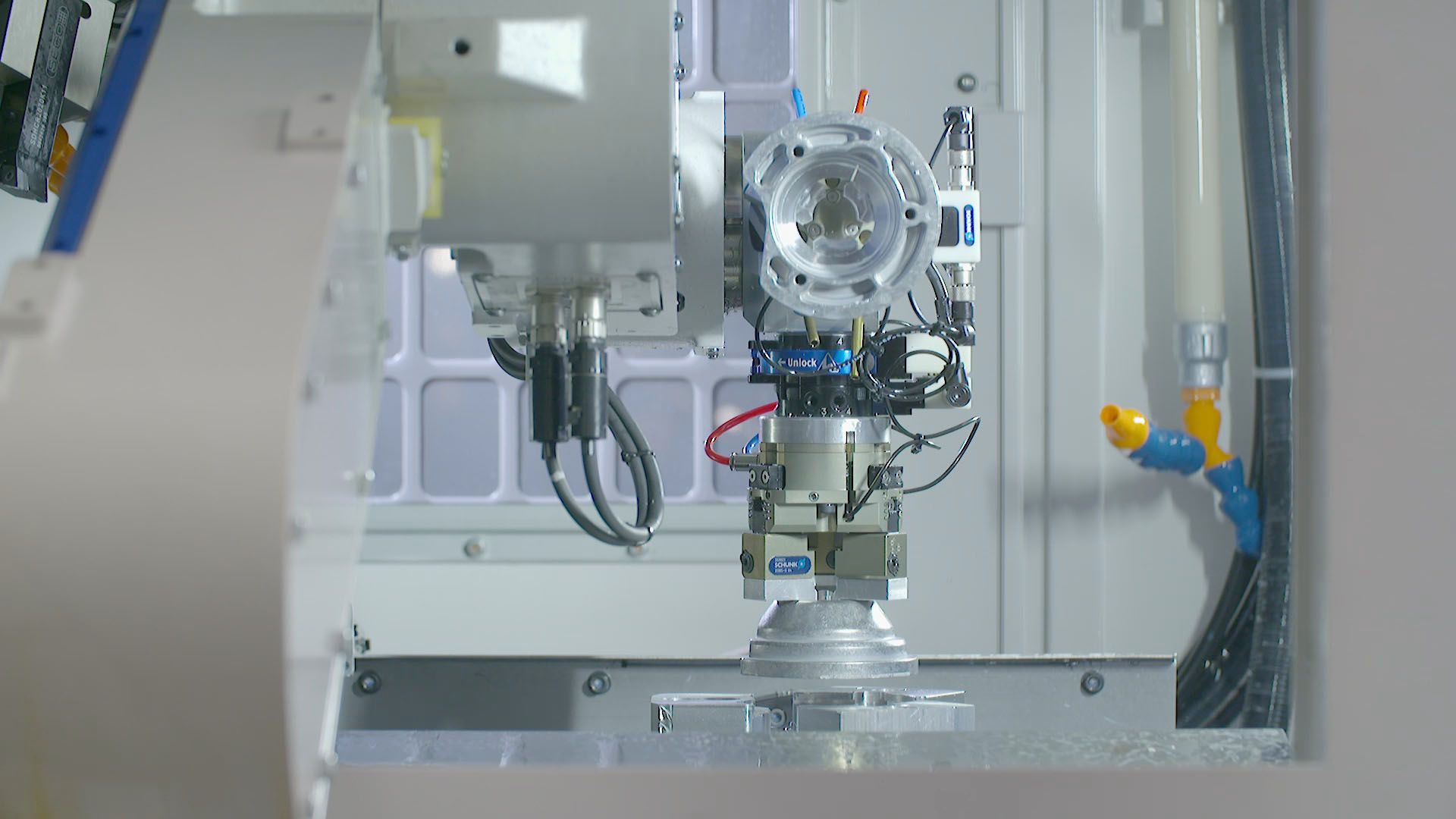
We recently invested in our first mill-turn machining centre, once again choosing Brother. We selected the M200X3, equipped with an integrated BV7-870 robot for automatic machine loading and unloading.
This five-axis machine opens up new technical possibilities, allowing us to further improve the quality of our finished components. For example, it enables us to achieve greater roundness accuracy, as this configuration allows the clamping jaws to be machined directly inside the machine. We also selected a rotary union as a special option, enabling the hydraulic clamping system to be controlled automatically at all times.
THE POWER OF SIMULATION
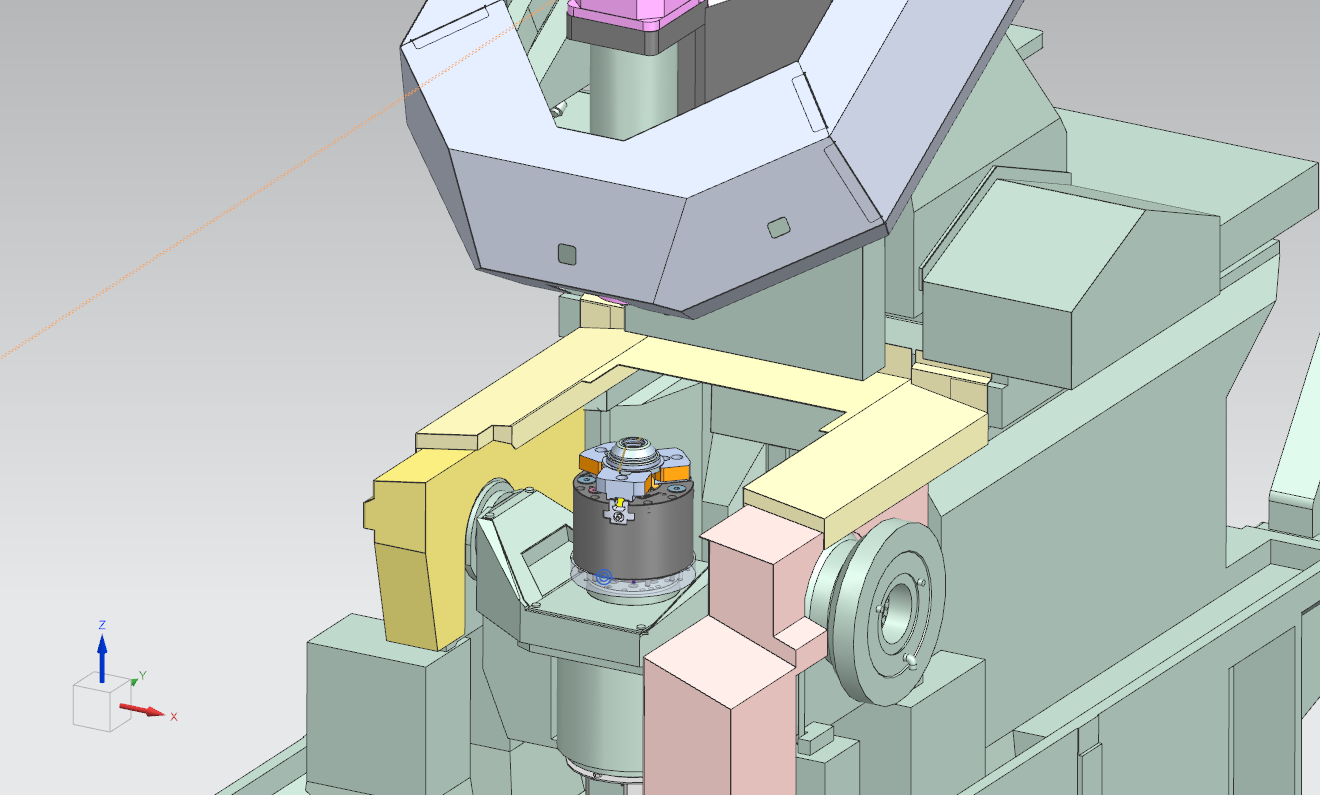
The integration of the CAD/CAM software into the Brother environment was also customised to meet our specific requirements. After all, working with five axes makes offline programming and, above all, simulation essential.
These simulation capabilities represent a major step forward for our process engineers. “Previously, we could only start programming once the casting was ready and we had developed a suitable clamping fixture. Now, thanks to the digital twin, these processes can run entirely in parallel, allowing us to identify potential errors in advance.” This makes an enormous difference and, most importantly, enables us to accelerate the launch of new products for our customers.